
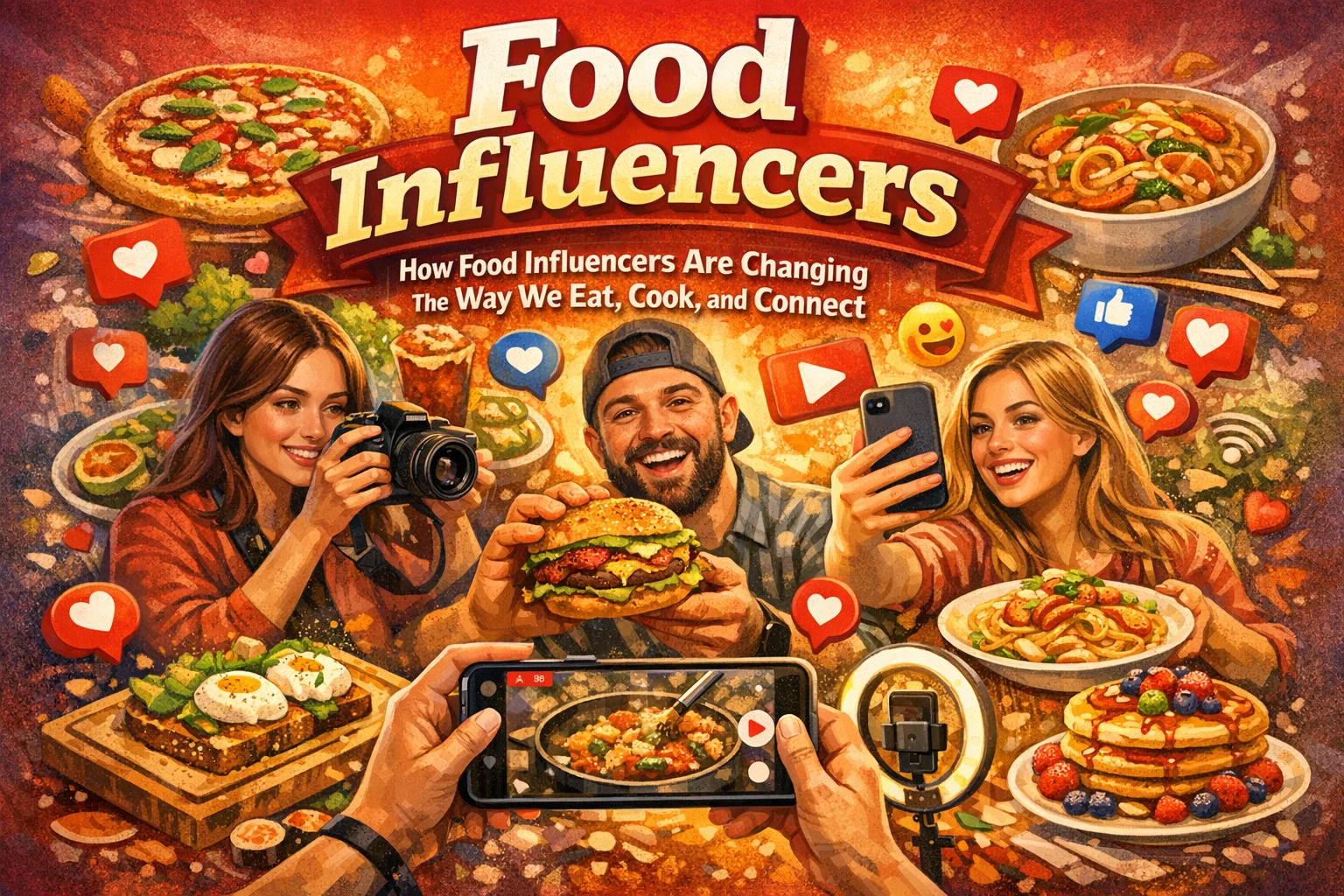

Food influencers are everywhere today. Open your phone, scroll for a few seconds, and you’ll see bright plates of pasta, tall slices of cake, or someone sharing a quick kitchen hack. But food influencers are more than just people posting pretty pictures. They are storytellers, teachers, taste explorers, and trendsetters.
In this detailed guide, we’ll explore who food influencers are, what they do, how they earn money, and why they matter so much in today’s world. We’ll also look at the skills needed to become one, the challenges they face, and how they shape the future of food.
Let’s dig in!
What Are Food Influencers?
Food influencers are people who create and share food-related content on social media platforms. They influence what others cook, eat, buy, and even think about food.
They may:
- Share recipes
- Review restaurants
- Teach cooking techniques
- Promote kitchen products
- Highlight healthy eating
- Explore street food or luxury dining
build trust with their followers. Because of this trust, their opinions matter. When they recommend a dish or product, people often listen.
Simply put, mix passion for food with the power of social media.
The Rise of Food Influencers in the Digital Age
Years ago, people learned recipes from cookbooks or television chefs. Now, things are different. With smartphones and fast internet, anyone can share their cooking journey.
Platforms like:
- YouTube
- TikTok
- Blogs
have made it easy for to reach millions.
Why did grow so fast?
- People love visual content.
- Cooking videos are easy to watch and follow.
- Social media allows direct interaction.
- Viewers enjoy quick, simple recipes.
In short, the digital world opened the door—and walked right in.
Different Types of Food Influencers
Not all are the same. They focus on different areas. Let’s explore the main types.
Home Cooking Food Influencers
These creators share everyday recipes made in regular kitchens. Their content feels warm and relatable.
They often focus on:
- Family meals
- Budget cooking
- Simple ingredients
- Cultural dishes
Their goal? Make cooking easy and enjoyable.
Healthy Eating Food Influencers
Health-focused food influencers promote balanced diets and smart choices.
They share:
- Low-calorie recipes
- High-protein meals
- Vegan or vegetarian dishes
- Gluten-free options
They often talk about nutrition and lifestyle.
Restaurant Review Food Influencers
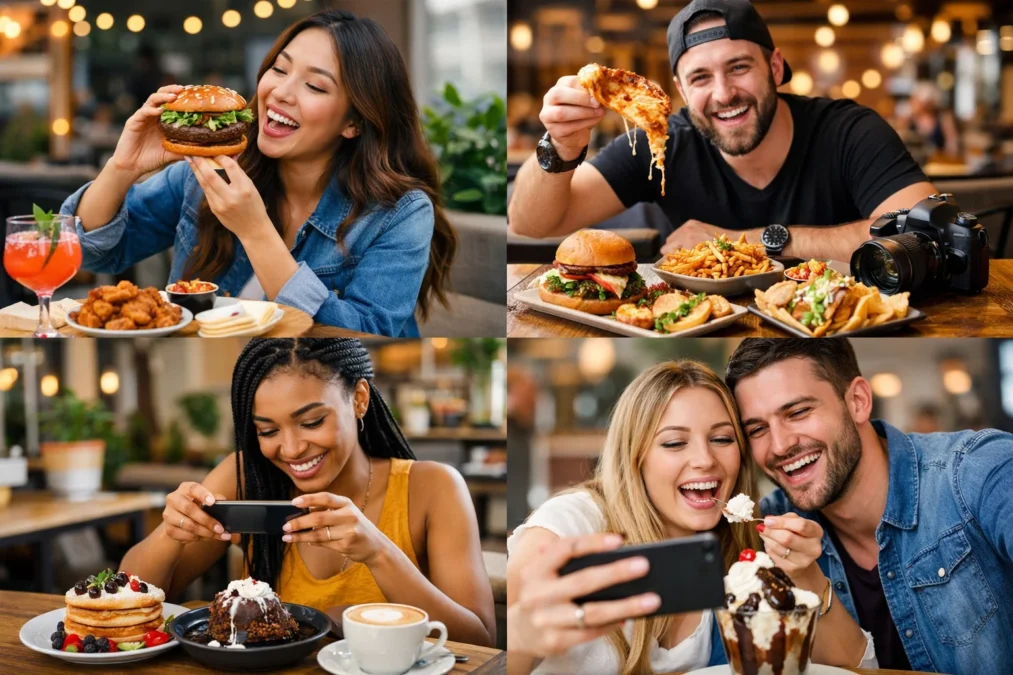
These visit restaurants and give honest reviews. They help followers decide where to eat.
They review:
- Street food stalls
- Luxury restaurants
- Cafes
- Hidden gems
Their words can boost or harm a business—so responsibility is key.
Baking and Dessert Food Influencers
Oh, sweet tooth heaven! These influencers focus on cakes, cookies, pastries, and more.
They teach:
- Decorating techniques
- Baking basics
- Creative dessert ideas
Their content is colorful and eye-catching.
Cultural and Travel Food Influencers
These creators explore food from around the world. They highlight:
- Traditional recipes
- Local markets
- Street vendors
- Cultural food stories
They connect food with history and culture.
Famous Food Influencers Who Inspire Millions
Some food influencers have become global icons. Let’s look at a few well-known names.
Jamie Oliver
Jamie Oliver is a British chef known for simple, healthy recipes. He focuses on improving school meals and promoting better eating habits.
Gordon Ramsay
Gordon Ramsay is famous for his strong personality and cooking shows. He shares tips, challenges, and restaurant advice.
Nisha Madhulika
Nisha Madhulika creates easy vegetarian recipes. Her videos are clear and beginner-friendly.
Nusret Gökçe
Also known as Salt Bae, Nusret became famous for his unique way of sprinkling salt. His style shows how personality can boost popularity.
These show that passion, skill, and personality matter.
Skills Required to Become Successful Food Influencers
Being a food influencer may look easy, but it’s not all sunshine and sprinkles. It requires skill and dedication.
Here are the key abilities:
Cooking Skills
You don’t have to be a professional chef, but you must understand:
- Basic techniques
- Food safety
- Flavor balance
Photography and Video Skills
Good lighting, clear images, and attractive presentation are essential.
often learn:
- Camera settings
- Editing apps
- Video storytelling
Communication Skills
They must:
- Speak clearly
- Write simple instructions
- Engage with followers
Marketing Knowledge
Understanding social media algorithms, branding, and audience growth is crucial.
In a nutshell, wear many hats—chef, photographer, editor, marketer, and storyteller.
How Food Influencers Make Money
Many people wonder, “Can really earn money?” The answer is yes.
Here are the main income sources:
- Sponsored posts
- Brand partnerships
- YouTube ads
- Affiliate marketing
- Selling cookbooks
- Online cooking classes
- Merchandise
Let’s look at a simple table for clarity.
| Income Source | How It Works | Example |
|---|---|---|
| Sponsored Content | Brand pays to feature product | Promoting a blender |
| Affiliate Marketing | Earn commission from sales | Sharing a link to spices |
| Ad Revenue | Paid by platform for views | YouTube ads |
| Digital Products | Selling recipes or e-books | Online cookbook |
| Events & Workshops | Hosting cooking classes | Live cooking session |
However, earning money takes time. Most start small and grow slowly.
The Impact of Food Influencers on Society
Food influencers have a strong impact on how people think about food.
Changing Eating Habits
They introduce:
- New ingredients
- Healthy alternatives
- Creative recipes
Sometimes, one viral video can make a dish popular worldwide.
Supporting Small Businesses
Restaurant review food influencers help small cafes gain attention.
Promoting Cultural Awareness
By sharing traditional recipes, preserve culture and history.
Encouraging Home Cooking
Especially during global lockdowns, many people started cooking at home because of .
Their influence isn’t just about taste—it’s about lifestyle.
Challenges Faced by Food Influencers
While the job looks exciting, it comes with challenges.
High Competition
There are thousands of online. Standing out is tough.
Time and Effort
Creating quality content takes:
- Planning
- Cooking
- Shooting
- Editing
- Posting
It’s a full-time job.
Criticism and Pressure
Public figures face negative comments. Handling criticism calmly is important.
Maintaining Authenticity
Followers trust honest opinions. Promoting low-quality products can damage reputation.
In other words, success doesn’t happen overnight.
Ethical Responsibility of Food Influencers
Food influencers hold power. With power comes responsibility.
They should:
- Share accurate information
- Follow food safety rules
- Be honest in reviews
- Clearly label sponsored content
Trust is like glass—once broken, it’s hard to fix.
Ethical behavior builds long-term success.
How to Become One of the Leading Food Influencers
If you dream of becoming one of the successful , here’s a roadmap.
Start with Passion
Love food. Experiment. Learn constantly.
Choose Your Niche
Focus on:
- Healthy food
- Desserts
- Street food
- Budget cooking
- Regional cuisine
Invest in Basic Equipment
You don’t need expensive gear. Start with:
- Smartphone
- Good lighting
- Simple editing apps
Post Consistently
Consistency builds audience trust.
Engage With Followers
Reply to comments. Ask questions. Create polls.
Keep Learning
Stay updated with trends and techniques.
Success takes patience—but if you stick to it, doors will open.
The Future of Food Influencers
The world of is evolving fast.
Future trends may include:
- AI-powered recipe suggestions
- Virtual cooking classes
- Sustainable cooking content
- Zero-waste kitchen ideas
- Farm-to-table awareness
People care more about health and environment today. will likely focus more on:
- Organic ingredients
- Eco-friendly packaging
- Local sourcing
The future looks bright—and delicious!
Technology and Food Influencers
Technology plays a huge role in shaping .
They use:
- Editing software
- Analytics tools
- Live streaming
- Drone photography
- Smart kitchen devices
Data helps them understand what followers like. Analytics show:
- Best posting times
- Popular recipes
- Audience age group
With the right tools, can grow faster and smarter.
The Role of Storytelling in Food Influencers’ Success
Food isn’t just about ingredients. It’s about memories.
The most successful share:
- Childhood stories
- Cultural traditions
- Family recipes
- Kitchen failures
Storytelling creates emotional connection.
When followers feel connected, they stay loyal.
Food Influencers and Brand Collaborations
Brands work closely with because:
- Influencers build trust
- Followers value recommendations
- Content feels natural
But smart choose brands carefully. They ask:
- Does this match my values?
- Is the product useful?
- Will my audience benefit?
This careful approach builds credibility.
Why Food Influencers Matter More Than Ever
are not just content creators. They are:
- Educators
- Entertainers
- Cultural ambassadors
- Entrepreneurs
They inspire millions to:
- Cook at home
- Try new cuisines
- Eat healthier
- Appreciate food culture
In a fast-moving world, they remind us to slow down and enjoy a meal.
Final Thoughts on Food Influencers
Food influencers have transformed the way we see and experience food. From simple home kitchens to global restaurant tours, they bring flavors to our screens and ideas to our plates.
Becoming one of the successful food influencers takes hard work, creativity, honesty, and patience. Yet, with dedication and passion, it’s absolutely possible.
As technology grows and audiences expand, food influencers will continue shaping food trends, health choices, and cultural connections.
In the end, food influencers don’t just share recipes—they share stories, traditions, and inspiration. And that’s what makes food influencers truly powerful in today’s digital world.