

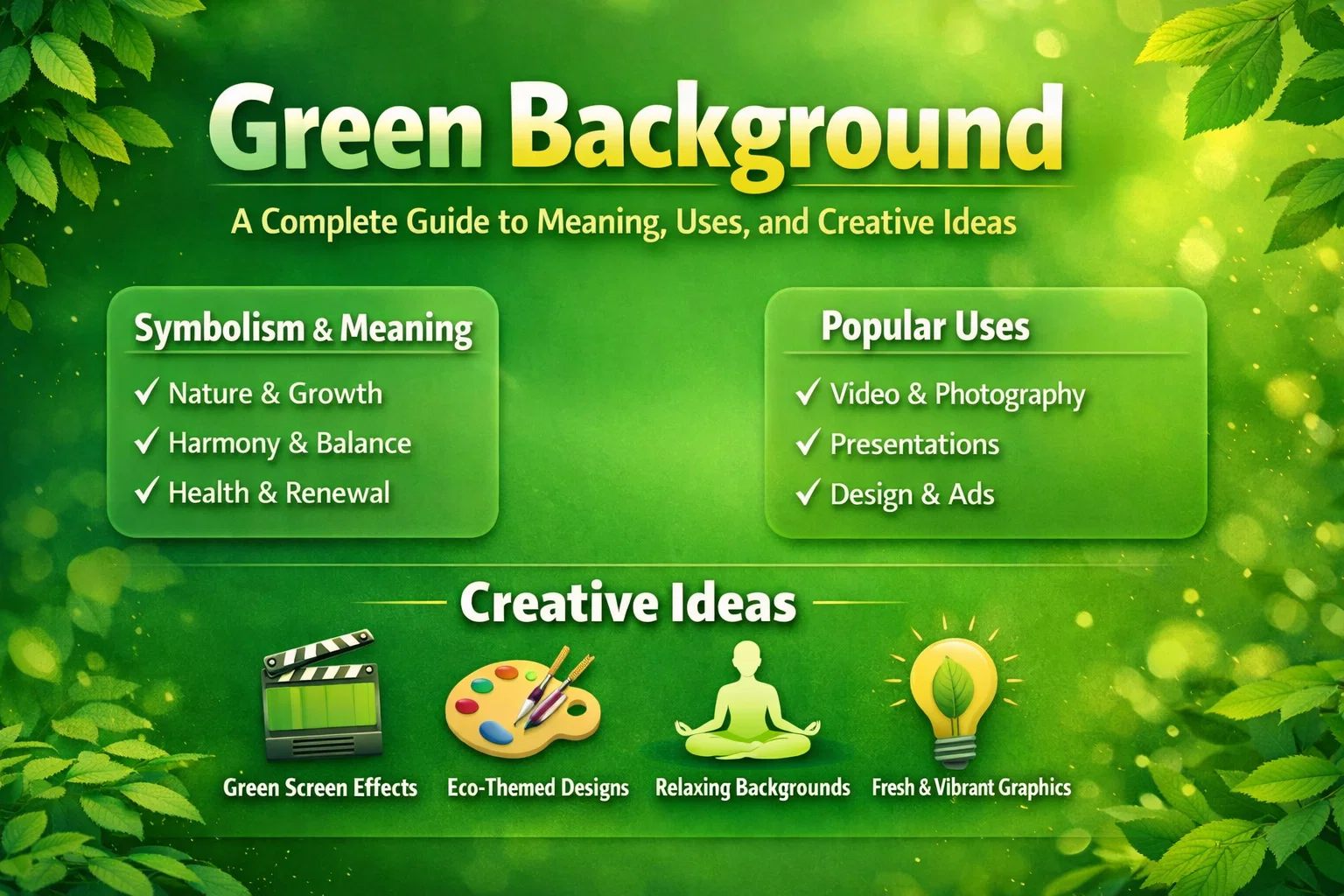

A green background is one of the most popular and powerful visual elements used in design, photography, websites, presentations, and digital media. People often choose a green background because it feels natural, calming, and fresh. The color green reminds us of forests, grass, plants, and new life. Because of this, it creates a positive feeling for viewers.
In today’s digital world, a green background is used almost everywhere. You can see it in advertisements, websites, online videos, social media graphics, and even movie production. Designers love using green because it balances beauty and readability. At the same time, marketers like it because it attracts attention without being too aggressive.
This article will explore everything about a green background, including its meaning, benefits, types, uses in design, psychology of color, and tips for creating the perfect background. By the end, you will understand why this simple color choice can make such a big difference.
What Is a Green Background?
A green background is any design or visual space where the primary background color is green. It may be light green, dark green, lime green, olive green, or any shade in the green color family.
In design and photography, the background is the area behind the main subject. When this area is green, it becomes a green background.
A green background can appear in many forms:
- Solid color backgrounds
- Gradient s
- Nature-themed s
- Digital or abstract green designs
- Green screen backgrounds used in video production
The flexibility of green makes it one of the most useful colors in visual design.
The Meaning and Symbolism of a Green Background
Colors communicate emotions and ideas. A carries strong meanings across many cultures and industries.
Common meanings of green
- Nature and environment
- Growth and renewal
- Health and wellness
- Balance and harmony
- Freshness and energy
For example, companies that promote healthy foods or eco-friendly products often use a to show that their brand is natural and trustworthy.
Emotional impact
Green is known to relax the eyes. It sits in the middle of the color spectrum, which makes it comfortable for long viewing. Because of this, a is often used in:
- Educational websites
- Health-related content
- Meditation apps
- Environmental campaigns
Simply put, green makes people feel calm, safe, and hopeful.
Why Designers Love Using a Green Background
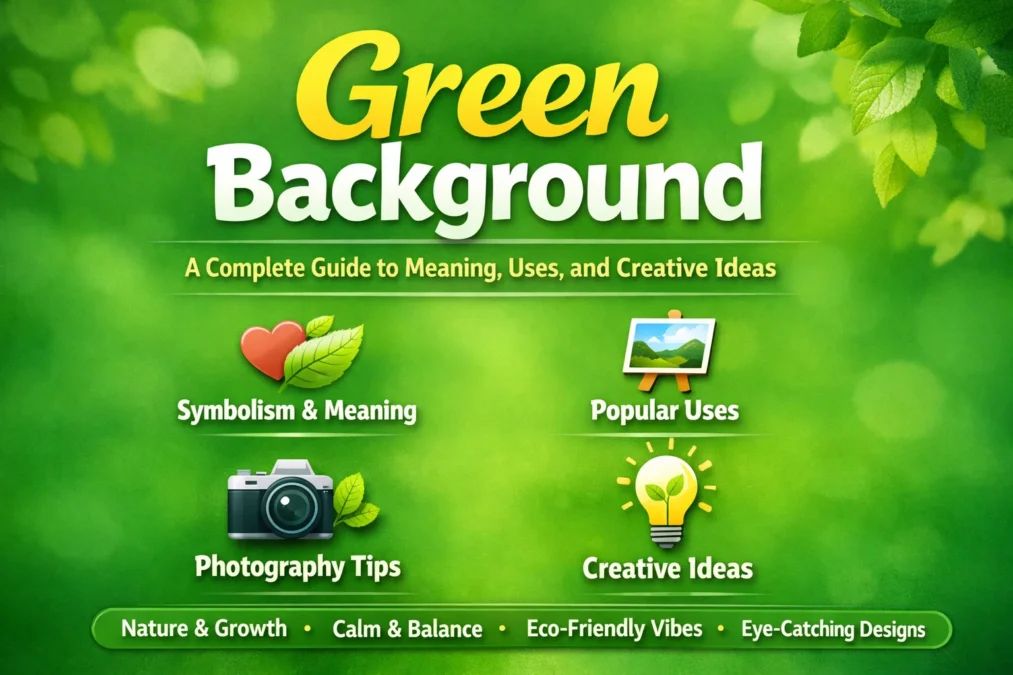
Designers often choose a because it works well in many situations. It’s versatile, attractive, and easy to combine with other colors.
Major benefits of a green background
Creates a natural feeling
Green reminds people of plants, forests, and fresh air.
Easy on the eyes
It reduces visual stress and makes reading easier.
Improves focus
The calm nature of green helps users concentrate on the content.
Works with many colors
Green pairs well with white, black, yellow, gold, brown, and blue.
Looks modern and clean
Many modern brands use green to show innovation and sustainability.
Because of these advantages, the remains a favorite choice in graphic design.
Popular Shades Used in a Green Background
Not all greens look the same. Different shades create different moods and design styles.
Below is a helpful table showing popular green shades and their uses.
| Shade of Green | Description | Common Uses |
|---|---|---|
| Light Green | Soft and fresh color | Websites, wellness brands |
| Lime Green | Bright and energetic | Advertising, youth brands |
| Olive Green | Calm and natural | Fashion and lifestyle design |
| Emerald Green | Rich and elegant | Luxury branding |
| Forest Green | Deep and strong | Nature themes and eco brands |
| Mint Green | Cool and modern | Apps and technology design |
Choosing the right shade is important when designing a .
Green Background in Graphic Design
Graphic designers use a to create attractive and balanced layouts.
Common graphic design uses
- Social media posts
- Marketing banners
- Website headers
- Infographics
- Posters and flyers
A green background helps important text and images stand out clearly.
Design tips for better results
When creating graphics, designers often follow these tips:
- Use white text on dark s for better readability
- Add subtle gradients for a modern effect
- Combine green with natural textures
- Avoid using too many bright shades together
By applying these ideas, a can look professional and visually appealing.
Green Background in Photography
In photography, a green background can be used in two main ways.
Natural green background
This type uses real nature elements such as:
- Trees
- Grass
- Leaves
- Gardens
Nature photography often relies on a green background because it highlights the subject naturally.
Studio green background
Photographers sometimes use a solid green backdrop in studios. This is popular in:
- Portrait photography
- Product photography
- Fashion shoots
The simplicity of a helps the subject stand out.
Green Screen Technology and Green Background
One of the most famous uses of a green background is in green screen technology.
Green screen is widely used in film and video production.
How green screen works
A bright is placed behind the actor or subject. Later, special software removes the green color and replaces it with another image or video.
This technique allows filmmakers to create amazing scenes without leaving the studio.
Examples of green screen use
- Weather forecasts
- YouTube videos
- Hollywood movies
- Online classes
- Virtual meetings
Without a , many modern visual effects would not be possible.
Green Background in Website Design
Website designers often use a green background to create a pleasant user experience.
Industries that use green websites
Many industries prefer green website themes:
- Health and wellness
- Organic food brands
- Environmental organizations
- Gardening websites
- Education platforms
A can help visitors feel relaxed and confident while browsing.
Website design tips
To design a successful website with a :
- Choose a soft green shade for large areas
- Keep text simple and readable
- Use contrasting colors for buttons
- Add white space for clarity
These simple steps make websites more attractive and user-friendly.
Green Background in Marketing and Branding
Marketing experts know that color influences customer behavior. Aoften sends a message of trust, freshness, and sustainability.
Brands that often use green
Many brands use green because it represents:
- Eco-friendly products
- Organic food
- Financial growth
- Health and wellness
For example, companies that sell natural products often use a in their logos and packaging.
Marketing advantages
Using a in marketing materials can:
- Improve brand recognition
- Build trust with customers
- Create a calm visual experience
- Highlight environmental responsibility
When used wisely, this color can strengthen a company’s brand identity.
Creative Ideas for Using a Green Background
Designers and creators constantly find new ways to use a .
Here are some creative ideas:
Nature-inspired designs
Add leaves, plants, or floral patterns to the for a fresh look.
Gradient backgrounds
Blend two shades of green to create a smooth gradient effect.
Minimalist design
Use a simple with clean white text.
Texture effects
Add textures like paper, watercolor, or fabric for a unique style.
Digital patterns
Use geometric shapes or digital lines to create a modern tech background.
These ideas help designers create visually interesting and memorable content.
Common Mistakes When Using a Green Background
Even though a green background is very useful, mistakes can happen if it is not used carefully.
Mistakes to avoid
- Using too bright neon green for large areas
- Adding too many green shades together
- Choosing poor text contrast
- Overcrowding the design with elements
A good design should always keep balance, readability, and simplicity.
The Future of Green Background in Design
As the world becomes more aware of environmental issues, green design is becoming more popular. The green background will likely play an even bigger role in the future.
Growing trends
Some design trends include:
- Eco-friendly branding
- Sustainable product marketing
- Nature-inspired digital design
- Calm and minimal color palettes
Because green symbolizes growth and sustainability, the green background will continue to be a key design choice.
Conclusion
The green background is more than just a color choice. It is a powerful design tool that communicates nature, balance, health, and growth. From websites and photography to film production and branding, this simple color plays an important role in visual communication.
Designers appreciate the green background because it is flexible, attractive, and easy to combine with other colors. Businesses use it to build trust and highlight eco-friendly values. Creators enjoy its calm and refreshing appearance.
As design trends evolve, the green background will remain an essential part of creative work. Whether you are building a website, designing a poster, or creating a video, using a green background can help your content look fresh, professional, and engaging.
In the end, the beauty of a green background lies in its simplicity. With the right shade, thoughtful design, and clear purpose, this color can transform an ordinary visual into something truly impressive. 🌿